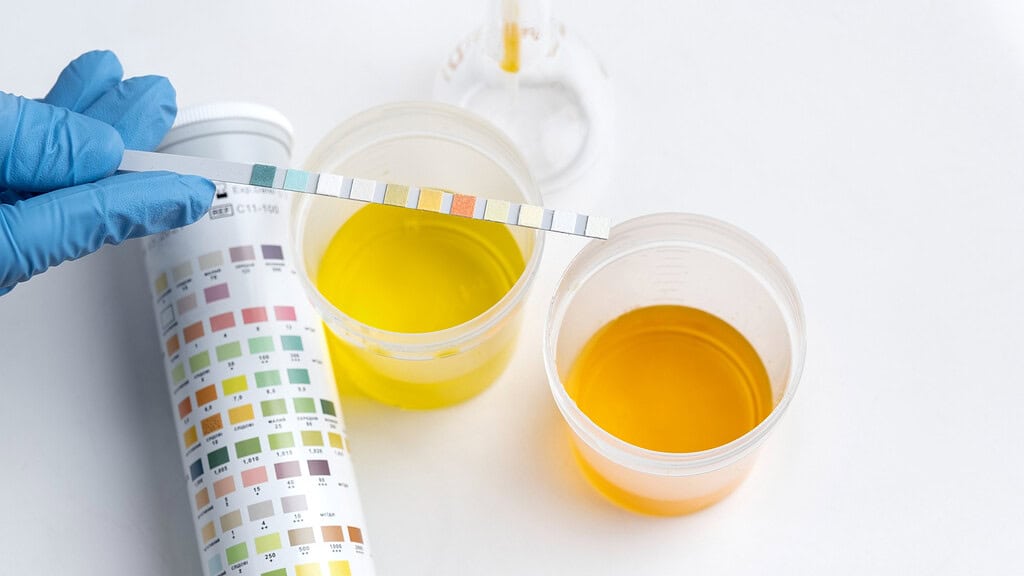
Many consumers exploring hemp products eventually ask the same question: how long does THCA stay in your system. The answer depends on several factors, including how often a person uses cannabinoids and the type of product they choose.
THCA is commonly found in raw hemp flower. When heat is applied, this compound changes structure and becomes THC. Because of this transformation, many consumers want to understand how the body processes these cannabinoids.
Detection time can vary widely between individuals. Metabolism, frequency of use, and product format can all influence how long cannabinoid compounds remain detectable.
Understanding how THCA changes and how the body processes cannabinoids helps explain why detection windows can vary.
What Is THCA?
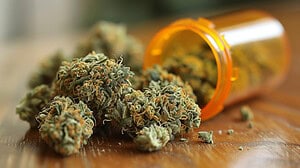
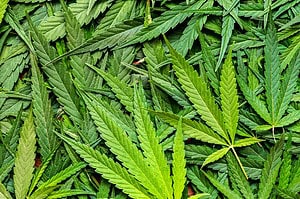
THCA stands for tetrahydrocannabinolic acid, a cannabinoid naturally found in raw hemp plants. Fresh cannabis flower often contains high levels of THCA before the plant material is exposed to heat.
When hemp flower is heated, the THCA molecule changes structure through a process called decarboxylation. During this process, THCA converts into THC. Because of this transformation, products that contain THCA produce compounds that testing programs can detect after the body processes cannabinoids.
THCA appears in all THCA hemp products, including THCA flower, THCA prerolls, and concentrates such as THCA crumble.
Factors That Affect Detection Time
Several factors can influence how long THCA stays in your system after it converts into other cannabinoids.
Frequency of Use
How often a person consumes cannabinoid products can affect detection time. Occasional use may clear more quickly, while regular use may extend detection windows.
Body Composition
Body chemistry can also influence how cannabinoids are processed. Cannabinoid compounds may interact with fat cells in the body, which can affect how long metabolites remain present.
Metabolism
Metabolism affects how quickly substances move through the body. Some individuals process compounds faster than others.
Factors such as hydration, activity level, and overall health can influence this process.
Product Type
Different hemp products can also influence detection timelines. Some consumers prefer THCA flower, while others choose prepared formats such as THCA prerolls or concentrates like THCA crumble.
Each format delivers cannabinoids in slightly different ways, which can influence how the body processes them.
Final Thoughts
Understanding how long THCA stays in your system requires understanding how the compound behaves. In its raw form, THCA exists naturally in hemp flower. However, once exposed to heat, it transforms into THC.
Because the body processes cannabinoids into detectable metabolites, testing programs may identify these compounds depending on the screening method used.
Detection windows can vary based on frequency of use, metabolism, body chemistry, and product type.
Consumers exploring hemp products often compare different formats to find the experience they prefer. Some choose traditional THCA flower pounds, while others prefer convenient options such as THCA prerolls or concentrates like THCA crumble.
Learning how cannabinoids interact with the body can help consumers make informed decisions while exploring hemp-derived products.