Is THCA Legal in Georgia? (2026 Guide to Georgia Hemp Law)
Many consumers researching hemp products ask the same question: is THCA legal in Georgia?
Georgia allows hemp products under specific legal conditions, but the state uses a regulatory approach that affects many THCA products. Understanding Georgia hemp law requires looking at both federal rules and the state’s own regulations.
The key issue involves how regulators measure THC levels. Georgia uses a total THC calculation, which includes THCA when determining whether a product qualifies as legal hemp. Because THCA converts into THC when heated, many products that appear compliant at first glance may exceed the legal THC threshold under Georgia law.
Understanding how this rule works can help consumers and businesses better navigate hemp regulations in the state.
Federal Hemp Law and THCA
Federal hemp law originates from the 2018 Farm Bill, which removed hemp from the federal list of controlled substances. Under federal law, hemp is defined as cannabis that contains no more than 0.3% delta-9 THC by dry weight.
This definition allowed hemp cultivation and hemp products to expand across the United States.
THCA is a naturally occurring cannabinoid found in raw hemp plants. When heat is applied to hemp flower, THCA changes structure and converts into THC through a chemical process called decarboxylation. Because THCA can transform into THC, regulators sometimes consider the amount of THC that could exist after heating the product.
This relationship between THCA and THC plays an important role in how certain states interpret hemp laws.
Georgia Hemp Law and the Georgia Hemp Farming Act
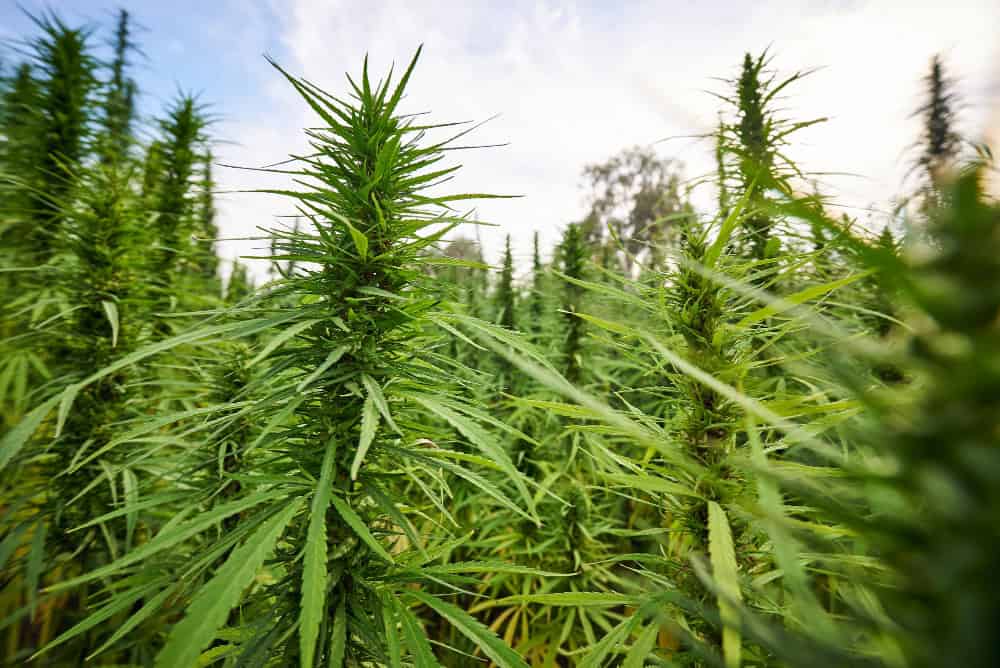
Georgia regulates hemp through the Georgia Hemp Farming Act, which created a statewide program for hemp cultivation and hemp products.
The law allows licensed farmers to grow hemp and requires businesses selling hemp products to follow specific regulatory standards. These rules are overseen by the Georgia Department of Agriculture.
Under Georgia hemp law, businesses must comply with requirements involving:
-
licensing
-
laboratory testing
-
product labeling
-
packaging standards
Hemp products must also remain below the legal THC threshold established by both federal and state regulations. This regulatory framework allows hemp cultivation and certain hemp products while maintaining oversight of the industry.
Total THC Rules and THCA in Georgia
One of the most important aspects of THCA legality in Georgia involves how THC is measured.
Georgia requires laboratories to calculate total THC, which includes both delta-9 THC and the THC that could form when THCA converts during heating.
To determine total THC levels, labs apply a formula that estimates how much THC could exist once THCA is converted.
Because THCA can transform into THC, products that contain high levels of THCA may exceed the legal THC limit after the total THC calculation is applied.
This testing method has significant implications for hemp flower and other hemp products that contain naturally occurring THCA.
Many consumers researching thca legal in georgia discover that this testing method is the primary reason regulators enforce THC limits on certain products.
Hemp Flower and THCA Products in Georgia
Georgia hemp law has also created restrictions affecting hemp flower products. Under recent legislation, certain consumable hemp products and smokable hemp items have faced tighter regulation. These rules were designed to address concerns about hemp products that could produce THC after heating.
Because THCA converts into THC, hemp flower containing high THCA levels may exceed the total THC threshold when tested using Georgia’s regulatory method. As a result, some hemp products that appear compliant under federal hemp rules may still violate Georgia’s interpretation of THC limits.
This regulatory approach explains why the question is THCA legal in Georgia can be more complex than it first appears.
Age Restrictions and Hemp Product Sales
Georgia also regulates who can purchase certain hemp products.
Recent legislative updates require consumers to be at least 21 years old to purchase many consumable hemp products in the state.
Retailers must obtain proper licensing from the Georgia Department of Agriculture and comply with testing and labeling requirements.
These rules are designed to regulate the sale of hemp products while maintaining oversight of the state’s hemp market.
Recent Changes to Georgia Hemp Laws
Georgia lawmakers updated the state’s hemp regulations through Senate Bill 494, which took effect in October 2024.
The law introduced stricter rules for consumable hemp products and reinforced the state’s total THC calculation method.
These changes affected how hemp flower and other products are evaluated under Georgia law. The goal of the legislation was to clarify regulatory authority and address concerns about THC levels in hemp products.
Because hemp regulations continue evolving across the country, businesses and consumers often monitor new legislative proposals that could affect the industry.
What This Means for Consumers
For consumers researching is THCA legal in Georgia, the answer depends on how THC is calculated under state law.
Georgia allows hemp products that meet the state’s THC limits and comply with regulatory requirements. However, the state’s total THC testing method means that many high THCA products will exceed the legal threshold once THCA converts into THC, making them illegal.
Consumers exploring hemp products often compare several product formats before deciding what they prefer. Some people explore traditional THCA flower pounds, while others prefer convenient formats such as THCA prerolls. Concentrated products such as THCA crumble are also part of the broader hemp market.
As hemp laws continue evolving, it is always important to review current state regulations before purchasing hemp products.
Frequently Asked Questions
Is THCA legal in Georgia right now?
Georgia allows hemp products that meet the state’s THC limits and regulatory requirements. However, the state uses a total THC calculation, which includes THCA when determining THC levels. This means all THCA flower will test above what is considered a legal amount.
Why does Georgia count THCA as THC?
THCA converts into THC when heat is applied. Because of this chemical transformation, Georgia laboratories calculate the potential THC that could exist after THCA converts.
Can hemp flower be sold in Georgia?
Hemp cultivation and certain hemp products are allowed under Georgia law. However, products must comply with the state’s testing rules and total THC limits.
Are hemp products still legal in Georgia?
Yes, hemp products are legal when they meet the definition of hemp and follow Georgia’s regulatory requirements.
Sources
Georgia Hemp Farming Act
Georgia Department of Agriculture Hemp Program
Georgia Senate Bill 494 (2024)
Georgia Code Title 2, Chapter 23 – Hemp Production